


How To Export Palm Oil From India? A Complete Guide for Exporters & Importers
Global demand for edible oils continues to rise, and palm oil remains one of the most traded agricultural commodities worldwide. While countries like Indonesia and Malaysia dominate production, India plays a strategic role in processing, trading, and re-exporting palm oil to international markets.
Whether you’re a trader, distributor, or new exporter, understanding the legal process, documentation, pricing, and logistics is essential before entering the market. Further, this guide explains how to export palm oil from India in a practical, compliance-focused, and business-oriented manner.
Overview of Palm Oil Export From India
India is one of the world’s largest edible oil consumers and importers, but it also participates in value-added re-exports after refining, packaging, or redistribution. Indian exporters leverage:
- Strong port infrastructure
- Global trade networks
- Competitive logistics
- Established commodity trading ecosystem
Exporters dealing in multiple commodities such as export rice from India, spices, tea, and coffee often diversify into edible oil trade because buyers prefer sourcing multiple products from a single supplier.
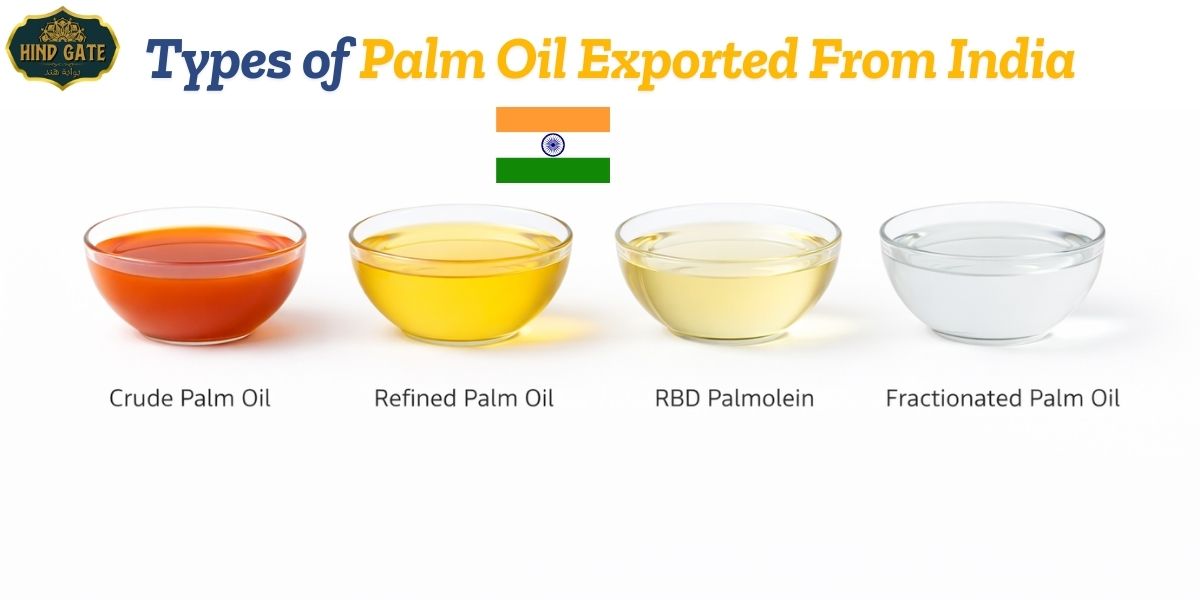
Types of Palm Oil Exported From India
Understanding product categories helps exporters match buyer requirements and pricing expectations.
| Type | Description | Common Buyers |
|---|---|---|
| Crude Palm Oil | Unrefined oil | Refiners |
| Refined Palm Oil | Processed & purified | Food manufacturers |
| RBD Palmolein | Cooking-grade oil | Retail distributors |
| Fractionated Palm Oil | Separated components | Industrial buyers |
Is Palm Oil Export Allowed From India?
Yes, but export eligibility depends on government policy, DGFT regulations, and commodity classification. Exporters must:
- Verify current export policy status
- Ensure product classification under HS code
- Check restricted or free category
- Comply with labeling & quality rules
Furthermore, DGFT policies can change depending on domestic supply conditions, so exporters should always check the latest notifications before signing contracts.

Step-by-Step Process to Export Palm Oil From India
1. Obtain Import Export Code (IEC)
Issued by DGFT, this is mandatory for any export business.
2. Register Business & Tax Compliance
You need:
- GST registration
- Company incorporation documents
- Bank AD code
3. Find International Buyers
You can connect with buyers through:
- Trade directories
- Global B2B platforms
- Exhibitions
- Embassy trade desks
Many exporters who already serve clients searching for types of rice in India or similar commodity queries leverage existing buyer relationships to expand into edible oils.
4. Product Quality Testing
Quality checks ensure compliance with buyer country regulations. Tests include:
- Free fatty acid level
- Moisture content
- Color & odor
- Contaminants
5. Packaging & Labeling
Common packaging formats:
- Steel drums
- Flexi tanks
- ISO tank containers
- Bulk tankers
Label must include:
- Product name
- Origin country
- Batch number
- Manufacturing date
6. Documentation Preparation
Key export documents:
- Commercial invoice
- Packing list
- Bill of lading
- Certificate of origin
- Insurance certificate
- Inspection certificate
Customs Clearance & Shipment
Exporter files shipping bill → customs inspection → port clearance → shipment → tracking → delivery confirmation.
Pricing Factors in Palm Oil Export
Palm oil pricing is dynamic and depends on multiple trade variables:
- Global crude oil price trends
- Supply from Indonesia/Malaysia
- Currency exchange rates
- Shipping freight rates
- Order quantity
- Incoterms (FOB/CIF/CFR)
As a result, large commodity traders that also handle shipments for the top 10 rice exporters in India tend to negotiate better freight contracts, which allows them to offer competitive palm oil pricing.
What Is the Price of 1 Ton of Palm Oil?
The price fluctuates daily based on global commodity markets. Typically, price per ton depends on:
- Crude vs refined grade
- Destination country
- Shipping cost
- Contract size
Exporters should always quote live market price + freight rather than fixed rates to avoid losses due to volatility.
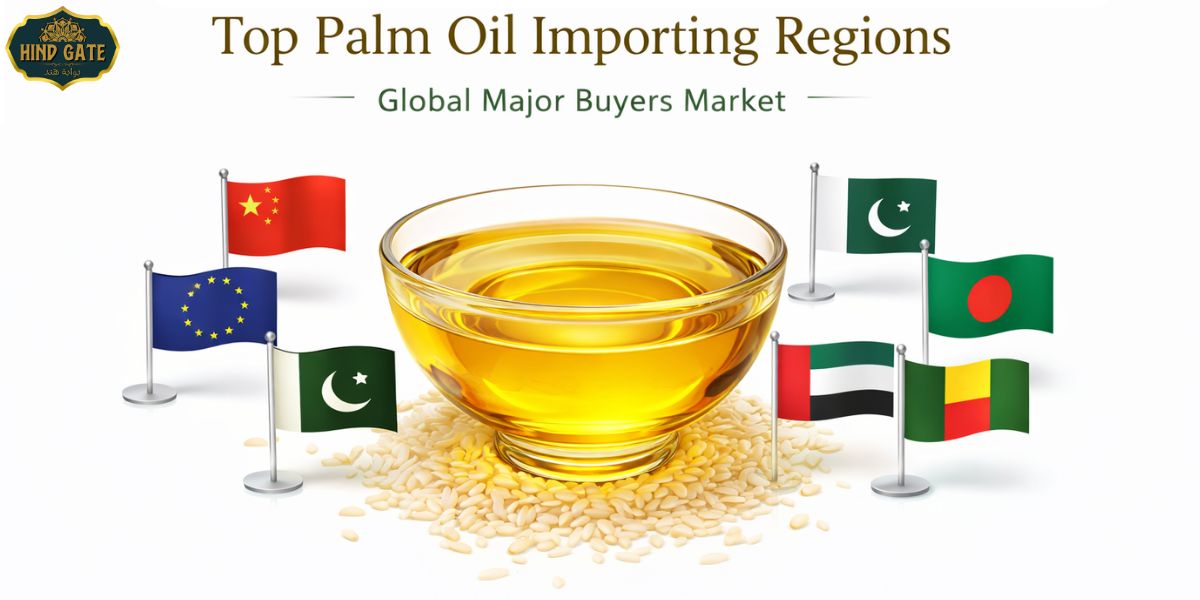
Top Importing Regions for Palm Oil
Major global buyers include:
- China
- European Union
- Pakistan
- Bangladesh
- Middle East countries
- African nations
Middle Eastern buyers often prefer suppliers capable of handling multiple commodities such as edible oils, spices, and products listed under the top 10 coffee exporters in India, because consolidated sourcing reduces logistics costs.
Challenges in Palm Oil Export Business
Understanding real-world risks builds credibility and prepares exporters for long-term success.
Common challenges:
- Price volatility
- Shipping delays
- Policy changes
- Payment risks
- Quality disputes
Professional exporters minimize these risks through contracts, insurance, and inspection certifications.
How to Start Exporting Palm Oil?
To begin exporting:
- Register your business legally
- Obtain IEC code
- Build supplier network
- Test product quality
- Identify verified buyers
- Understand shipping logistics
- Secure payment terms (LC preferred)
Starting with small shipments helps new exporters learn documentation and compliance procedures before scaling operations.
Do I Need a License to Export From India?
Yes. At minimum you need:
- Import Export Code (IEC)
- GST registration
- Bank authorization
Certain products may also require:
- Quality certifications
- inspection approvals
- Product-specific permits
Who Is the Main Exporter of Palm Oil?
Globally, the largest exporters are:
- Indonesia 🇮🇩
- Malaysia 🇲🇾
These countries dominate production. However, Indian exporters remain competitive in:
- Refined palm oil trade
- Redistribution
- Private-label packaging
- Mixed commodity shipments
Why Choose a Trusted Export Partner Like Hind Gate?
Selecting the right exporter directly affects product quality, delivery reliability, and brand reputation. A trusted supplier ensures consistency, compliance, and long-term trade success.
Hind Gate stands out because it offers:
- Verified export compliance standards
- Consistent product quality control
- Competitive global pricing
- Experience serving USA, Middle East, and international markets
- The ability to supply multiple commodities under one contract
Working with a multi-commodity exporter simplifies procurement for buyers who want edible oils along with grains, spices, or coffee products from established suppliers.
Expert Tips to Find Genuine Palm Oil Buyers
Professional exporters rely on proven sourcing strategies:
- Verify company registration
- Request trade references
- Confirm import license
- Use secure payment methods
- Avoid advance fraud deals
Reliable buyers value suppliers who communicate clearly, provide lab reports, and maintain shipment transparency.
Final Thoughts
Exporting palm oil from India is a profitable opportunity for traders who understand compliance, documentation, and logistics. The global edible oil market rewards exporters who prioritize:
- quality consistency
- transparent pricing
- reliable delivery timelines
Successful exporters focus on long-term relationships rather than short-term deals. Further, palm oil exports can become scalable and sustainable international businesses by providing strong documentation, verified buyers, and trusted logistics partners.
Looking for Reliable Palm Oil Export from India?
HHind Gate General Trading LLC supplies export-grade palm oil with consistent quality, competitive pricing, and smooth global logistics for trusted international buyers.