


Which Basmati Rice is Best for Biryani?
Biryani is one of the most celebrated rice dishes in the world, known for its rich aroma, layered spices, and perfectly cooked long grains. However, the secret to exceptional biryani is not just spices or cooking technique it is the rice itself. Choosing the best basmati rice for biryani determines whether your dish turns out fluffy, fragrant, and restaurant-quality or sticky and disappointing.
With so many varieties available in the market, understanding which basmati rice is best for biryani helps home cooks, chefs, food businesses, and bulk buyers make the right decision. Further, in this comprehensive guide, we explain the top basmati varieties, how to select quality grains, and which rice works best for different biryani styles.
Why Rice Selection Matters for Perfect Biryani?
Biryani is different from ordinary rice dishes because the grains must remain separate, elongated, and aromatic after cooking. Unlike plain rice, biryani is cooked with spices, oil, and steam, which means the rice must be strong enough to absorb flavor without breaking.
High-quality basmati rice offers:
- Long slender grains
- Natural aroma
- Non-sticky texture
- Good elongation after cooking
In addition, these characteristics are why basmati dominates the premium culinary markets and why it is widely used in global food trade, especially where premium grains are imported via established rice export from India supply chains.
What Makes Basmati Rice Ideal for Biryani?
Not every basmati variety performs equally well. The best rice for biryani must meet certain professional cooking standards.
1. Extra-Long Grain Length
Long grains look visually appealing and separate easily after cooking, which is essential for layered biryani dishes.
2. Strong Natural Aroma
Authentic basmati rice releases a signature fragrance when cooked. This enhances the overall flavor of biryani without artificial additives.
3. High Elongation Ratio
Premium grains expand in length instead of width, giving biryani its signature look.
4. Aged Rice Quality
Aged rice contains less moisture, allowing it to cook fluffier and absorb spices better.
5. Non-Sticky Texture
The best biryani rice should remain separate and light, never clumped together.
Top Basmati Rice Varieties Best for Biryani
India produces dozens of rice varieties, but only a few are considered ideal for biryani preparation. Understanding these options also helps buyers studying the types of rice in India choose the right grain for culinary or trading purposes.
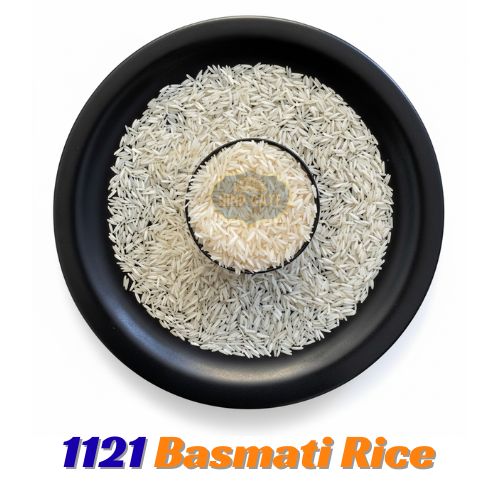
1. 1121 Basmati Rice
This is widely regarded as the best basmati rice for biryani due to its exceptional length and aroma.
Key Features:
- Extra-long grains
- Excellent elongation
- Strong aroma
- Premium quality
Best For:
Restaurants, weddings, catering services, and luxury dining.
It is also one of the most traded premium varieties handled by the top 10 rice exporters in India because of its global demand.
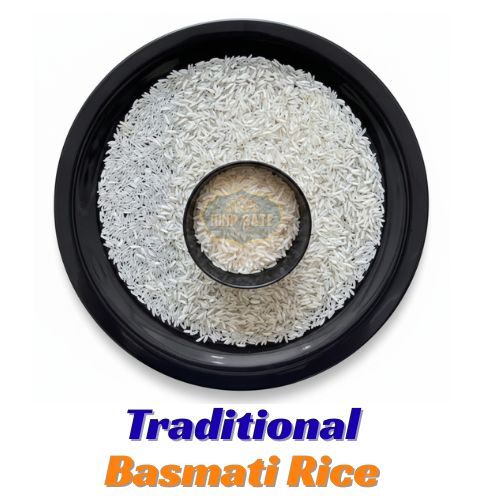
2. Traditional Basmati Rice
Traditional basmati is prized for its authentic taste and fragrance. Although grains may be slightly shorter than 1121, its flavor is richer.
Best For:
- Authentic regional biryani recipes
- Gourmet cooking
- Specialty food markets
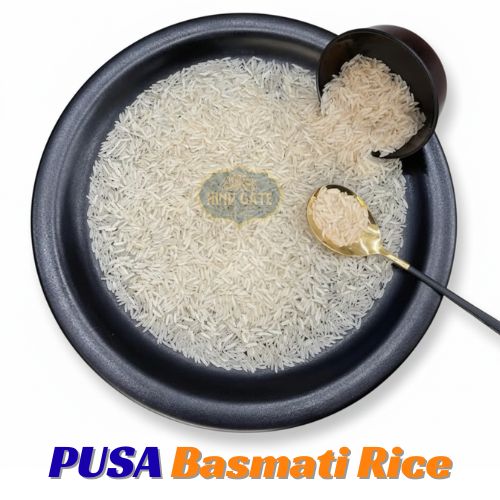
3. Pusa Basmati Rice
Pusa basmati offers a combination of affordability, aroma, and cooking performance.
Advantages:
- Uniform grain size
- Good elongation
- Moderate price
Best For:
Home cooks, mid-range restaurants, and daily biryani cooking.
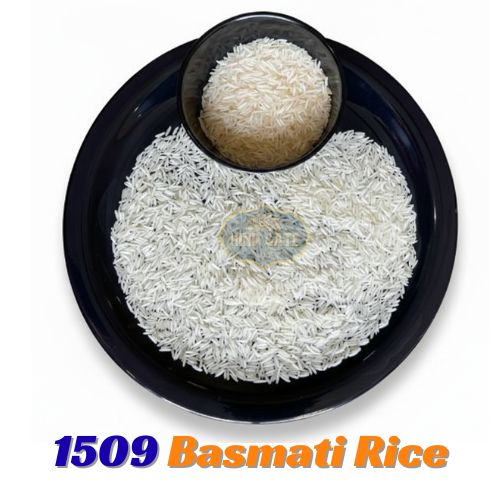
4. 1509 Basmati Rice
1509 basmati is popular among households and bulk buyers who want good results at a lower price.
Best For:
- Everyday biryani
- Foodservice kitchens
- Bulk cooking
This variety is often supplied in international wholesale markets, including shipments destined for buyers connected with top 10 rice importers in Dubai and other global distribution hubs.
Comparison Table: Best Basmati Rice for Biryani
| Variety | Grain Length | Aroma | Price Level | Best Use |
|---|---|---|---|---|
| 1121 Basmati | Extra Long | Strong | Premium | Luxury biryani |
| Traditional | Long | Rich | High | Authentic recipes |
| Pusa | Medium-Long | Moderate | Medium | Home cooking |
| 1509 | Long | Mild | Budget | Daily use |
Which Rice Do Restaurants Use for Biryani?
Professional kitchens typically choose aged premium basmati varieties because consistency is essential. Restaurants prefer grains that:
- Cook evenly in large batches
- Maintain shape under steam cooking
- Absorb spices without breaking
Most commercial kitchens rely on 1121 or traditional basmati because these varieties deliver reliable results even in high-volume cooking environments.
Aged vs Fresh Basmati: Which Is Better?
Aged basmati rice is always preferred for biryani. Aging improves texture, cooking performance, and aroma.
Benefits of aged rice:
- Less moisture content
- Longer grains after cooking
- Better flavor absorption
- Reduced stickiness
Export markets also prioritize aged rice, which is why premium aged varieties dominate shipments when traders export rice from India to Dubai or other international markets.
Best Rice Choice for Different Biryani Types
Hyderabadi Biryani
Best rice: 1121 basmati
Reason: Long grains withstand dum cooking.
Lucknowi Biryani
Best rice: Traditional basmati
Reason: Flavor complements subtle spices.
Kolkata Biryani
Best rice: Pusa basmati
Reason: Balanced aroma and softness.
Veg Biryani
Best rice: 1509 basmati
Reason: Affordable and cooks quickly
How to Identify High-Quality Basmati Rice?
Choosing good rice is essential whether you are a home cook or a trader dealing in global food commodities.
Quality selection checklist:
- Grains should be uniform in size
- Aroma should be natural, not artificial
- Minimal broken grains
- Packaging should mention aging period
- Rice should look clean and polished
Buyers who follow these checks are more likely to get consistent cooking results and reliable product quality.
Common Mistakes When Buying Rice for Biryani
Avoiding these mistakes can dramatically improve cooking results:
- Buying short-grain rice instead of basmati
- Choosing very cheap rice with high breakage
- Ignoring aging information
- Not checking the aroma before purchase
These errors often lead to sticky or uneven biryani.
How Grain Quality Affects Biryani Taste?
Rice quality directly influences flavor absorption, texture, and presentation.
Scientific factors that matter:
- Starch content determines stickiness
- Moisture level affects cooking time
- Grain density impacts elongation
Further, premium basmati varieties are cultivated and processed to maintain ideal starch balance, which is why they are preferred both in kitchens and in international trade alongside other commodities like Indian export spices and specialty grains.
Why Premium Basmati Dominates Global Markets?
Basmati rice is one of the most valuable agricultural exports because of its global reputation for quality and aroma. Many international buyers prioritize Indian basmati because it offers:
- Reliable supply chains
- Competitive pricing
- Multiple grain options
- Strong quality standards
Furthermore, this demand keeps premium basmati among the top agricultural commodities traded internationally.
Expert Tips for Cooking Perfect Biryani Rice
Even the best rice needs proper cooking technique.
Professional tips:
- Soak rice for 20–30 minutes before cooking
- Use a large pot so grains have space
- Cook rice only 70% before layering
- Use measured water ratio
- Avoid over-stirring
Following these steps ensures fluffy, separated grains every time.
How Biryani Rice Selection Impacts Food Businesses?
For restaurants, caterers, and wholesalers, rice selection affects both cost and customer satisfaction. Premium grains may cost more but improve presentation and taste, which helps build brand reputation.
Many food businesses choose suppliers with international experience because exporters familiar with global markets can ensure consistent quality, documentation, and timely delivery.
Final Verdict
If you want the best basmati rice for biryani, 1121 Basmati Rice is the top choice thanks to its extra-long grains, strong aroma, and excellent cooking performance. For authentic flavor, traditional basmati is ideal, while 1509 basmati is perfect for everyday cooking on a budget.
Understanding which basmati rice is best for biryani helps cooks, restaurants, and buyers choose the right variety based on quality, price, and purpose. As worldwide demand for high-quality rice continues to grow, selecting the right grain is essential for both culinary results and successful sourcing.
For dependable sourcing of export-grade basmati in retail or bulk quantities, Hind Gate General Trading LLC delivers consistent quality, competitive pricing, and trusted trade expertise.
Partner with Hind Gate today to secure reliable rice supplies that enhance your dishes and strengthen your business advantage.
Need High-Quality Basmati Rice for Perfect Biryani?
Hind Gate General Trading LLC supplies export-grade basmati rice with long grains, rich aroma, and consistent quality, backed by competitive pricing and reliable global delivery for trusted buyers worldwide.